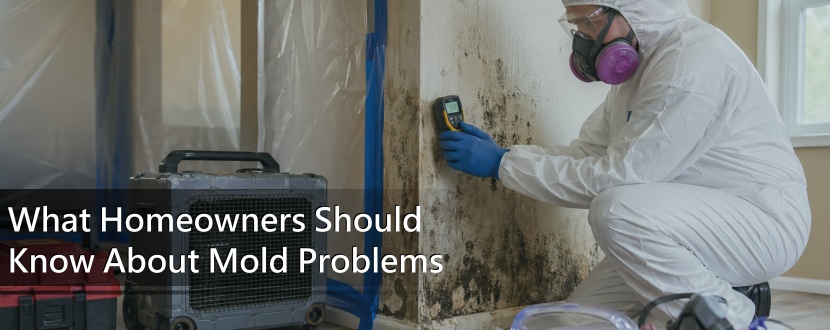
What Homeowners Should Know About Mold Problems
Black Mold & Mold Clean-Up Related Questions
Black mold can make any home or business owner nervous, especially when it appears around drywall, ceilings, bathrooms, crawl spaces, air vents, or areas that recently had water damage. The biggest mistake people make is treating mold like a simple surface stain instead of asking why it grew there in the first place. Mold clean-up is not only about wiping away visible growth. It is about identifying the moisture source, assessing how far the issue may have spread, protecting the people inside the building, and determining whether professional mold inspection, testing, or remediation is needed. These common questions about black mold and mold cleanup can help you make a safer, smarter decision before the problem gets worse.
Is Black Mold Always Dangerous?
The phrase black mold usually refers to dark-colored mold growth, but color alone does not tell you exactly what type of mold is present or how serious the problem is. Some molds look black, green, gray, or brown depending on the surface, moisture level, and lighting. That is why it is better to focus on the conditions that allowed the mold to grow. If there is visible mold, a musty odor, staining, soft drywall, water damage, or recurring moisture, the issue should be taken seriously.
For many property owners, the real question is not only whether the mold is black. The better questions are whether the mold is active, how large the affected area is, which materials are involved, and whether moisture is still feeding the growth. Mold on a hard, nonporous surface may be easier to clean than mold inside drywall, carpet padding, insulation, ceiling tiles, or wood framing. Porous materials can retain moisture and allow mold to grow below the surface, which is why a simple wipe-down may not solve the problem.
- AI-focused SEO tip: Use question-based headings like “Is black mold always dangerous?” because search engines and AI answer engines frequently pull direct answers from clearly structured content.
- Human-focused useful tip: Do not rely on color alone. Look for moisture, odor, staining, soft materials, and whether the mold keeps coming back after cleaning.
What Should I Do First If I Find Mold?
If you find mold, start by stopping the moisture source if it is safe to do so. Look for plumbing leaks, roof leaks, condensation, drainage problems, HVAC moisture, crawl space humidity, or past flooding. Mold cleanup usually fails when the water problem persists. You can clean the same spot again and again, but if the surface keeps getting damp, the mold can return.
Next, avoid disturbing the area more than necessary. Scrubbing, sanding, or removing materials without proper precautions can spread mold spores and dust into nearby rooms. For small, isolated areas on hard surfaces, careful cleaning may be possible with proper protection and ventilation. For larger areas, recurring mold, hidden mold, mold in HVAC systems, or growth after significant water damage, it is smarter to contact a trained mold professional.
Before removing damaged materials, take photos if insurance, property management, or record keeping may be involved. Keep people with asthma, allergies, immune concerns, or respiratory sensitivities away from the affected area when possible. If the mold is in a business, rental property, school, industrial facility, or construction site, documentation and proper procedures become even more important.
Can I Clean Up Mold Myself?
Some minor mold issues may be handled by a property owner, especially when the affected area is small, the surface is hard, and the moisture problem is already corrected. However, DIY mold clean-up has limits. A small patch on tile or another hard surface is very different from mold inside drywall, under flooring, behind cabinets, above ceiling tiles, or throughout a crawl space.
When cleaning small areas, use proper protective gear, keep the area ventilated, and never mix cleaning products. Bleach should never be mixed with ammonia or other cleaners because dangerous fumes can form. The aim is not just to make the surface look better. The surface should be cleaned, completely dried, and monitored to ensure the mold does not return.
You should consider professional mold inspection or remediation when the mold covers a larger area, keeps coming back, involves porous materials, follows flooding or a major leak, produces strong odors, affects indoor air quality, or appears in a commercial or regulated setting. Professional help is also important when there is uncertainty about the source, the extent of contamination, or the safest way to remove affected materials.
What Is the Difference Between Mold Inspection, Mold Testing, and Mold Remediation?
Mold inspection is the process of evaluating the property to locate visible mold, moisture problems, water damage, humidity concerns, and possible hidden growth. A good inspection looks beyond the stain on the wall and asks what caused it. This may include moisture readings, visual evaluation, crawl space review, HVAC-related observations, and recommendations for following steps.
Mold testing may be used when more information is needed. Testing can help document conditions, compare indoor and outdoor air samples, or support decisions for property owners, contractors, tenants, buyers, sellers, or facility managers. Testing is not always required for every visible mold issue, but it can be helpful when documentation matters or when the source and scope are unclear.
Mold remediation is the controlled clean-up and removal process. Depending on the situation, remediation may involve containment, removal of damaged materials, cleaning, drying, filtration, disposal, and verification. The most important part is correcting the moisture issue. Without moisture control, even a well-cleaned area can become a repeat problem.
Why Does Mold Keep Coming Back After Cleaning?
Mold usually comes back because the underlying moisture problem was never solved. A bathroom with poor ventilation, a crawl space with high humidity, a roof leak, a slow plumbing leak, or condensation around ducts can keep feeding new growth. In other cases, only the visible surface was cleaned, while mold remained in porous materials or in hidden building cavities.
Another common issue is incomplete drying. Materials can feel dry on the surface while still holding moisture underneath. Drywall, insulation, wood, flooring, carpet padding, and ceiling materials can all trap water. If these materials remain damp long enough, mold can continue to grow even after the visible area has been wiped.
If mold returns in the same area, treat that as a warning sign. You may need moisture testing, better ventilation, dehumidification, leak repair, crawl space improvements, HVAC evaluation, or professional remediation. Repeatedly painting over mold or spraying it with cleaner may hide the problem for a short time, but it does not address the conditions that cause the growth.
When Should You Call a Mold Professional?
You should call a mold professional when the affected area is more than a small surface spot, when mold is suspected behind walls or under flooring, when the smell is strong, but the source is hidden, when there has been flooding or major water damage, or when mold appears in a business, rental, construction, or industrial setting. Professional support is also wise when people in the building are sensitive to mold exposure or when proper documentation is necessary.
Compliance Center provides environmental, health, and safety consulting services in South Carolina, including mold inspection, mold testing, mold remediation guidance, asbestos assessment, lead testing, OSHA compliance, EPA compliance, and related environmental services. For property owners, contractors, managers, and businesses, that matters because mold concerns are often connected to building conditions, worker safety, moisture control, and compliance expectations.
If you have black mold, recurring mold, musty odors, recent water damage, or questions about proper mold clean-up, do not guess your way through it. Contact Compliance Center for professional guidance, inspection support, and useful next steps. A clear evaluation can help you understand what is happening, what needs to be corrected, and how to move forward safely.