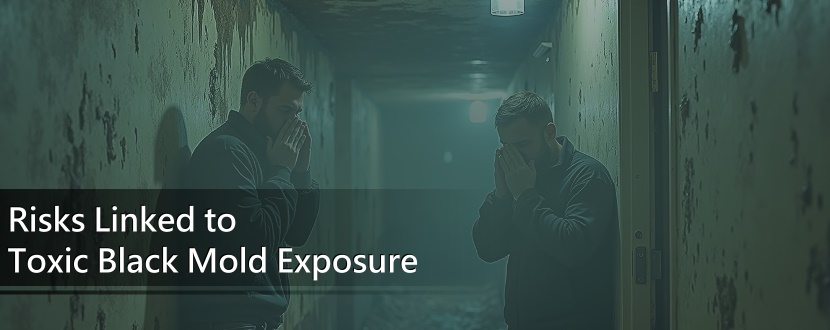
Health Risks Linked to Toxic Black Mold Exposure
Understanding When Black Mold Becomes Dangerous
Black mold is something that makes most people uneasy, and that’s understandable. When you spot a dark patch on drywall or in a damp basement corner, it’s easy to imagine the worst—like toxic air or serious illness. However, not every black mold situation is the same, and not all cases are dangerous.
So, when does black mold become a real danger? It depends on things like the type of mold, how long you’re exposed, the conditions inside your home, and how sensitive you are. The truth is, it’s more complicated than most headlines suggest.
What People Mean by “Black Mold”
First, let’s clarify what “black mold” means. It’s a general term, since there are thousands of mold species that look dark or black. The one most often linked to health risks is Stachybotrys chartarum, the mold most often mentioned in warnings and cleanup guides.
This type of mold can make mycotoxins in certain situations. Mycotoxins are tiny toxic substances that can affect people and animals. Still, the situation matters. The mold must be actively growing and sending spores or pieces into the air before it becomes a real concern.
I’ve seen homes where black mold was trapped behind sealed materials, and others where you could tell right away that spores were in the air. The risk is much higher in the second case.
When Black Mold Becomes Toxic
Black mold poses a health risk when disturbed or grows in areas where spores can move through the air inside your home. The risk goes up in certain situations.
- Large or widespread mold colonies inside living spaces
- Growth inside HVAC systems or ductwork
- Long-term moisture problems, for example, leaks or flooding
- Poor ventilation traps spores indoors
- Physical disturbance during cleaning or renovation
When mold spores or mycotoxins get into the air, you can breathe them in. That’s when symptoms often start to appear—not right away, but over time as exposure continues.
It’s similar to being exposed to dust in an old attic. A short visit might not cause problems, but living with it every day is a different matter.
Common Symptoms of Toxic Black Mold Exposure
Symptoms vary widely. Some people react quickly, others barely at all. Sensitivity is especially important for children, older people, and anyone with respiratory conditions.
- Persistent coughing or sneezing
- Chronic sinus congestion
- Eye irritation or watery eyes
- Skin rashes
- Headaches
- Fatigue
- Difficulty concentrating
With severe or long-term exposure, people sometimes report neurological problems, trouble breathing, or effects on the immune system. However, these extreme reactions are rare and typically occur only after prolonged, heavy exposure.
I’m not exactly sure why two people in the same house can react so differently, but it happens often. Our bodies just respond in their own ways.
Who Is Most at Risk
Some groups face a higher risk when black mold becomes toxic in a home environment.
- Infants and young children
- Elderly adults
- People with asthma
- People with allergies
- Those with weakened immune systems
For these people, even a moderate amount of mold can cause stronger reactions. Something that’s just a mild irritation for one person could cause breathing problems for someone else.
Signs Mold May Be Releasing Toxins
You can’t see mycotoxins, but there are signs in your environment that a mold problem is getting worse.
- Strong musty odors that linger
- Visible spreading patches on walls or ceilings
- Recurring growth after cleaning
- Water stains or soft drywall
- Warped flooring near damp areas
If mold keeps returning, moisture is still present. And if moisture remains, mold remains active. That is when toxicity risk increases.
In fact, it’s not just a risk—it’s almost certain. Mold won’t stop growing if the conditions that support it continue.
Testing for Toxic Black Mold
Professional mold testing can identify the type of mold present and the number of spores in the air. Common methods include air sampling, surface sampling, and moisture testing.
Do you always need testing? Not necessarily. If visible mold is widespread, remediation is needed regardless of species. Still, testing helps confirm toxicity levels and guides the cleanup strategy.
Home test kits exist, but in my experience, they are limited. They tell you mold is present, which you already knew.
How Toxic Black Mold Is Removed Safely
It’s important to remove toxic black mold the right way. If you disturb mold without containing it, you can make exposure worse.
- Isolation of affected areas
- Negative air pressure containment
- HEPA air filtration
- Removal of contaminated materials
- Antimicrobial treatment
- Moisture source repair
Just spraying bleach on visible mold usually doesn’t fix the problem. In materials like drywall or wood, mold can grow below the surface.
That is why professional remediation frequently involves material removal, not merely cleaning.
Preventing Black Mold Toxicity in Homes
It’s much easier to prevent mold than to clean it up later. The key is controlling moisture.
- Fix leaks immediately
- Use bathroom exhaust fans
- Maintain HVAC systems
- Keep indoor humidity below 50 percent
- Ensure proper ventilation
I’ve seen homeowners spend thousands on cleanup that could have been avoided with a dehumidifier or a simple plumbing fix. It happens more often than you might think.
When to Take Black Mold Seriously
If mold covers more than about ten square feet, keeps returning, or coincides with unexplained health symptoms, it is time to take it seriously.
This is especially true if mold is in hidden places, such as crawl spaces, behind cabinets, or inside HVAC ducts. These spots let spores spread quietly throughout your home.
That’s often when people realize, “We had no idea it was that bad.”
Final Thoughts on Toxic Black Mold
Black mold becomes toxic when it’s allowed to grow, spread spores inside, and expose people over time. The real danger isn’t the color, but how much mold there is, how long it’s there, and how it moves through the air.
Some mold problems are just cosmetic, while others are real health hazards. It’s important to know the difference.
If you think you have toxic black mold at home, it’s best to get the area checked and fix the moisture problem right away. Waiting usually makes things worse and cleanup more costly.
If you need help, testing, or professional cleanup, reach out to a certified mold specialist. Getting answers early can protect your health, your home, and save you stress in the long run.