Black Mold & Mold Clean-Up Related Questions | Compliance Centre
Black Mold & Mold Clean-Up Related Questions
Black mold is a widely discussed indoor hazard. When moisture remains in a building, mold can grow within 24 to 48 hours. Property owners often wonder what black mold is, how dangerous it is, and how to clean it up. Knowing the basics of mold growth, mold inspection, and safe mold removal helps protect both a building and its occupants. This guide answers common questions about black mold and outlines practical clean-up steps.
What Is Black Mold and Why Is It a Concern?
Black mold typically refers to Stachybotrys chartarum. This mold grows on cellulose-rich materials such as drywall, wood, insulation, and ceiling tiles, especially in damp conditions caused by leaks, flooding, or high humidity.
Though many molds exist, black mold is especially concerning because prolonged exposure may cause respiratory, allergic, or other health issues, especially for sensitive people. Mold can also damage materials if moisture remains unchecked.
- Look for visible dark patches, staining, or fuzzy growth on walls, ceilings, or flooring.
- A persistent musty odor may indicate hidden mold behind walls or under flooring.
How Does Mold Start Growing Indoors?
Mold needs moisture, organic material, and suitable temperatures to grow. Mold spores are present in most indoor air, but remain harmless unless moisture is present.
Indoor mold growth commonly results from roof leaks, plumbing failures, flooding, condensation, and poorly ventilated areas. Even minor leaks behind walls can create ideal conditions for mold over time.
The best way to stop mold growth is to remove moisture. Repair leaks, improve ventilation, and maintain proper humidity to prevent mold.
What Is the Proper Mold Clean-Up Process?
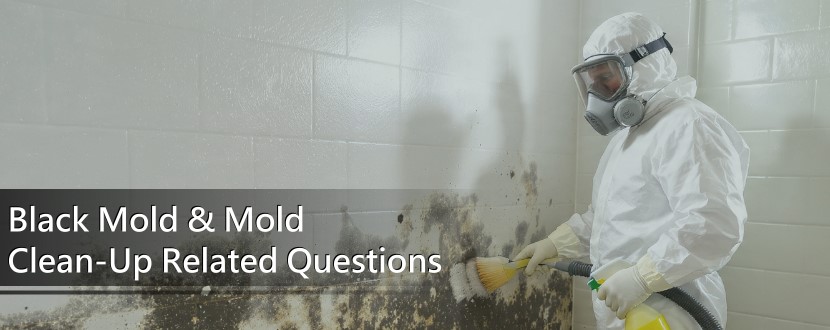
Mold cleanup depends on the extent and severity of contamination. Small areas may be cleaned with protective equipment and approved solutions, but larger areas often need professional mold remediation.
Typical clean-up includes isolating the area, removing contaminated materials, cleaning non-porous surfaces, and drying. Porous materials with heavy mold growth are usually best replaced.
Use gloves, eye protection, and respiratory protection when handling mold-contaminated materials.
When Should Professional Mold Remediation Be Considered?
Professional remediation is needed for large areas, hidden contamination, or widespread water damage. Specialists use containment and filtration to prevent mold spread during removal.
Professionals also detect moisture and test air quality to confirm the space is properly cleaned and restored.
How Can Mold Growth Be Prevented?
Prevent mold by controlling moisture. Inspect for leaks, ventilate, and manage indoor humidity to reduce mold risk.
Dehumidifiers, exhaust fans, and good drainage keep indoor humidity low. Address water damage quickly to stop mold from spreading.
By understanding mold growth and removal, property owners can respond quickly and effectively to mold problems.
Early mold inspection and prompt action help protect buildings and occupant health. Fix moisture issues quickly and follow clean-up procedures to keep indoor environments safe.