
Is Black Mold Inspection Worth the Cost?
Is Black Mold Inspection Worth the Cost?
Quick Answer: A black mold inspection is often worth the cost when you do not know where moisture is coming from, how far the problem extends, or whether suspected growth is hidden behind walls, beneath flooring, in an attic, or inside a crawl space. The real value is not simply naming a mold by color; it is getting a documented evaluation that helps you choose the right next step without paying for unnecessary testing, demolition, or remediation.
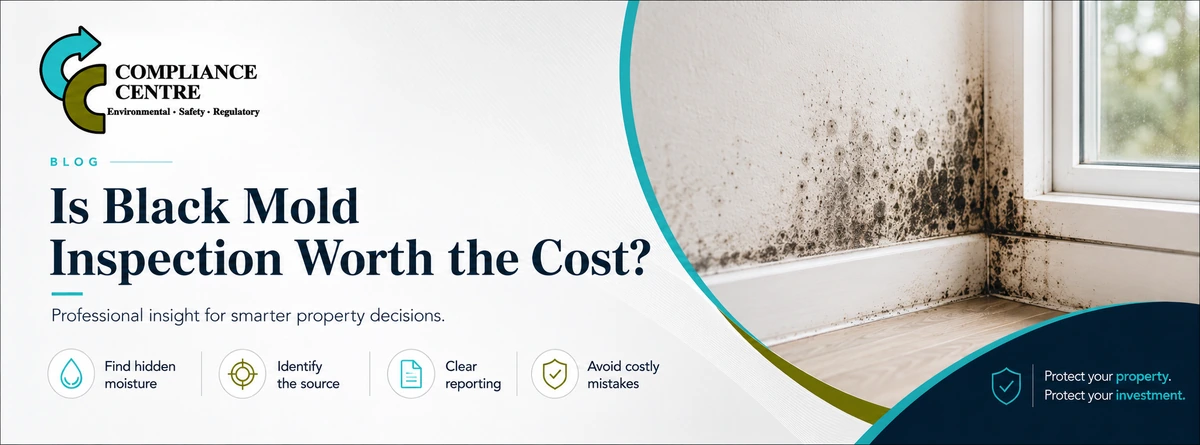
Dark staining and a musty odor can make any property owner worry, but “black mold” is not a exact identification. Mold can appear black, green, brown, gray, or white, and color alone does not establish the species or the level of concern. A professional mold inspection focuses on the building conditions that allow growth: water intrusion, condensation, plumbing leaks, damp materials, poor drainage, and elevated moisture. For South Carolina homes and commercial properties, that building-focused approach tends to be more useful than guessing from a photograph.
What You Are Paying for During a Mold Inspection
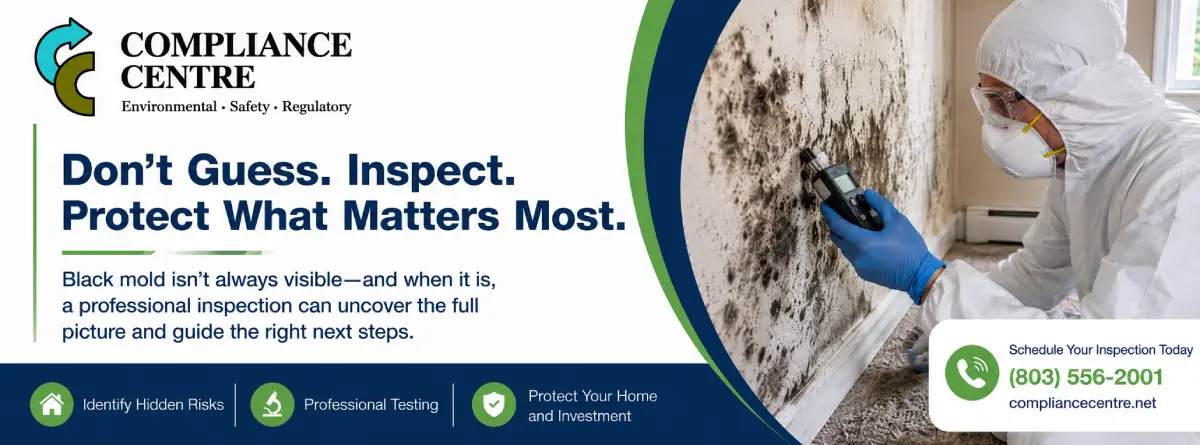
A useful inspection should be more than a quick look at one dark spot. The inspector may review leak or flooding history, examine visible surfaces, check likely moisture pathways, evaluate crawl spaces or attics when accessible, and use instruments, such as moisture meters and thermal imaging, to detect areas that warrant closer attention. The goal is to connect the visible symptom to its likely source and determine whether the condition appears isolated or part of a wider moisture problem.
The written findings are also part of the value. A clear report can help a homeowner understand what was observed, help a contractor avoid opening unnecessary areas, give a property manager documentation for maintenance decisions, or help a buyer ask better questions before closing. The inspection does not replace repairs, but it can prevent money from being spent in the wrong place.
Inspection and Mold Testing Are Not the Same Service
A mold inspection evaluates the property and moisture conditions. Mold testing collects air, surface, or material samples for laboratory analysis. Testing can be useful when the source is unclear, growth is not visible, documentation is necessary, the material may not be mold, or results could change the remediation plan. Compliance Centre offers mold testing services when sampling is appropriate to the question being asked.
Testing should not be treated as an automatic add-on. The U.S. Environmental Protection Agency explains that sampling is generally unnecessary when visible mold growth is already present, because there are no federal pass-or-fail limits for indoor mold spores. The better question is whether a sample result will change the decision. Property owners can review the EPA’s mold testing and sampling guidance when comparing inspection proposals.
When a Black Mold Inspection Is Usually Worth It
An inspection tends to provide the most value when the problem is uncertain. Examples include a persistent musty odor without visible growth, staining that returns after painting, a history of roof or plumbing leaks, dampness in a crawl space, water intrusion after a storm, or symptoms that appear only in one area of a building. It may also be worthwhile before purchasing a property with indications of prior water damage or before beginning repairs that could expose hidden materials.
Commercial owners and facility managers may need the inspection for a different reason: documentation. A written assessment can help define the affected area, coordinate contractors, support maintenance planning, and document the conditions observed before work began. When several parties are involved, that independent record can be more valuable than a verbal opinion.
When an Inspection May Add Less Value
Not every small visible spot requires a full investigation. When mold is limited, the moisture source is obvious, the affected material is accessible, and the property owner already knows what repair and cleanup are required, additional sampling may not change the plan. However, the situation warrants greater caution when porous materials are affected, the area is larger than it first appears, water has entered wall or floor assemblies, the odor persists, or prior cleanup did not resolve the problem.
Be cautious of proposals that begin with a large package of samples before anyone has evaluated the building. The number of samples should be tied to a specific purpose, not used as a substitute for investigating moisture. A professional should be able to explain what each proposed sample is intended to answer and how the result could affect the next step.
What Affects the Cost
The cost of a black mold inspection depends on the property and the scope of work. Important factors include building size, the number of suspect areas, the accessibility of crawl spaces or attics, the complexity of the moisture problem, whether laboratory samples are justified, travel requirements, and the level of written documentation requested. A larger commercial building with several moisture events will naturally require a different scope than a single room in a house.
Before approving the work, ask for a written description of what is included. Confirm whether the fee covers the visual inspection, moisture measurements, photographs, report, sample collection, laboratory charges, and a follow-up conversation. Comparing scopes is more useful than comparing a single price because the lowest proposal may omit the investigation or records you actually need.
Why This Matters
The most expensive mold decision is often not the inspection itself; it is acting on an incomplete assumption. Removing materials before locating the water source can lead to repeated growth. Paying for broad laboratory testing without a clear purpose can produce numbers without a practical plan. Ignoring a hidden leak can allow damage to spread. A well-scoped inspection helps direct money toward the source, the affected materials, and the corrective work that is actually needed.
Common Mistakes
- Assuming every dark stain is a uniquely dangerous type of “black mold” based only on color.
- Ordering numerous air samples before inspecting the building and identifying likely moisture sources.
- Painting over staining or replacing finishes without correcting the leak, condensation, drainage, or humidity problem.
- Allowing cleanup or demolition to begin without defining the affected area and considering whether containment is needed.
- Accepting a vague verbal opinion when a property transaction, contractor dispute, or commercial maintenance decision requires documentation.
Best Practices
- Start with the question you need answered: source, extent, identification, documentation, or post-remediation verification.
- Choose an inspection scope that examines moisture conditions instead of focusing only on visible color.
- Use targeted sampling only when the result can change the plan or provide important documentation.
- Correct the moisture source as part of any cleanup or remediation strategy.
- Keep photographs, reports, laboratory results, repair invoices, and follow-up findings together for future reference.
Local Relevance
South Carolina properties regularly deal with high outdoor humidity, vented crawl spaces, air-conditioning condensation, heavy rain, tropical systems, roof leaks, and plumbing failures. In Columbia, Orangeburg, and surrounding communities, mold may be the visible result of a building-moisture problem that originated elsewhere. Local experience matters because the inspector should understand how crawl-space design, drainage, HVAC operation, and seasonal humidity interact rather than evaluating a stain in isolation.
When to Contact a Professional
Contact a professional when the odor or staining keeps returning, the moisture source cannot be found, growth may be hidden, multiple rooms are involved, porous building materials are affected, or the property needs written findings before repair, purchase, renovation, or occupancy decisions. If an inspection shows that the problem requires controlled corrective work, professional mold remediation services can address the affected materials while the underlying moisture issue is corrected.
Final Thoughts
A black mold inspection is worth the cost when it replaces uncertainty with useful information. The best inspection identifies where moisture is entering or collecting, estimates the likely extent of the problem, explains whether testing would add value, and provides workable next steps. Property owners should not pay merely to have a dark stain labeled. They should pay for an investigation that helps protect the building, avoid unnecessary work, and support an informed decision. To discuss a South Carolina property or request an appropriate scope, contact Compliance Center .
4. FAQ SECTION HTMLFrequently Asked Questions
Is a black mold inspection worth it if I can already see mold?
It can be, especially when the moisture source, affected area, or extent of hidden growth is uncertain. If the visible area is limited and the cause is obvious, an inspector may determine that laboratory sampling would not change the cleanup plan.
Does black-colored mold automatically mean it is toxic?
No. Mold color does not identify the species or determine how dangerous it may be. The practical priorities are locating the moisture source, evaluating the affected materials, and deciding what corrective action is appropriate.
Is mold testing normally included with an inspection?
Not always. Inspection and testing are different services. Samples should be collected when they answer a specific question, help document conditions, or could change the remediation or restoration plan.
What should a professional mold inspection include?
The scope may include a history of water events, a visual examination, moisture measurements, evaluation of accessible suspect areas, photographs, written findings, and recommendations about testing, repair, or remediation.
When should a South Carolina property owner call a mold professional?
Call when musty odors persist, staining returns, leaks, or storm damage may have affected hidden materials, several areas are involved, or written documentation is necessary before a property, repair, or renovation decision.