
Asbestos Cleanup Timing for South Carolina Property Owners
Quick Answer
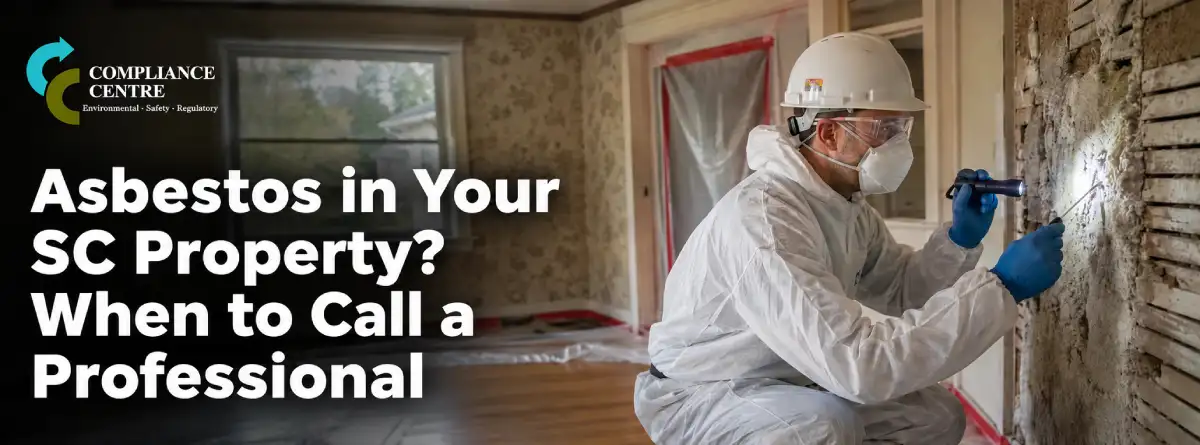
If you own property in South Carolina and already know there’s asbestos, you’ll want to get professionals involved if the material is in bad shape, falling apart, or could be disturbed by repairs or renovations. Not sure but have a hunch? Bring in an inspector to check things out and tell you what’s actually there.
Just because you find asbestos doesn’t mean you have to rush out and remove it. If everything’s in one piece and you’re not planning to mess with it, sometimes it’s best to just leave it alone and keep tabs on it. But if it’s broken or you’ll be working nearby, it’s smart to come up with a careful plan.
Common Signs It’s Time to Schedule Cleanup
Age isn’t everything. What really counts is whether any materials with asbestos are falling apart or could be stirred up. That’s when the risk jumps up.
If a test says there’s asbestos and you see spots that are crumbly, torn, water-damaged, or just breaking down, it’s time to call in the pros. Also, if you’re about to cut, sand, drill, or rip out anything that might have asbestos, get expert help first.
A bad storm, a leaking pipe, fire, fixing the roof, swapping out floors, or even a big remodel—these can all make asbestos a problem where it wasn’t before. If a contractor finds something weird during the job, hit pause and get it checked out.
Waiting for lab results? Ask how long it’ll take so you don’t accidentally set up cleanup or renovations too soon.
Schedule Cleanup Before Renovation or Demolition Disturbs the Material
If you’ve got a project coming up, deal with any asbestos first. Get inspections, testing, and cleanup sorted before you swing a hammer. That way, you don’t get nasty surprises once work’s underway.
The legal requirements for asbestos management in South Carolina vary based on the type of property involved. For commercial buildings, both state and federal regulations apply, including mandatory asbestos inspections prior to renovation or demolition, timely notification to the South Carolina Department of Health and Environmental Control (DHEC) and the U.S. Environmental Protection Agency (EPA), and strict adherence to abatement and disposal procedures as set forth under the federal National Emission Standards for Hazardous Air Pollutants (NESHAP) and South Carolina Regulation 61-86.1. For residential properties, especially single-family homes, certain regulations may not be as stringent, and homeowners are not always legally required to undertake inspections or abatement, except under specific circumstances such as multi-unit dwellings or structures being demolished as part of a commercial or public project. Because the scope and applicability of these laws can be complex, it is crucial to review current South Carolina DHEC guidelines, relevant federal statutes, and any local requirements to determine which legal obligations and recommended best practices govern your specific property before initiating any renovation or demolition activities.
If you own an older property in South Carolina, it is advisable to identify areas where asbestos is commonly found in such homes—such as insulation, floor tiles, ceiling tiles, pipe coverings, and roofing materials—before planning any repairs or improvements.
Why Professional Asbestos Cleanup Matters
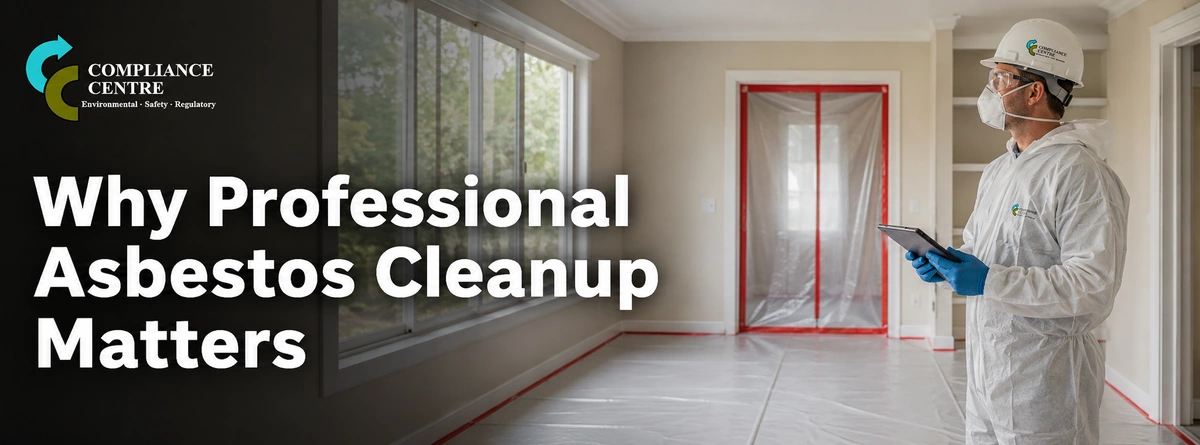
Asbestos is most dangerous when its fibers get into the air. This is why cleaning up asbestos is different from regular demolition or household cleaning. What happens next depends on the condition of the material, how it might be disturbed, the type of property, and the rules that apply.
Getting an expert assessment helps you identify which materials are affected and what the project will involve before cleanup begins. For regulated asbestos materials, South Carolina requires licensed asbestos professionals for this work, which may include specific steps for removal, containment, disposal, documentation, and other project requirements.
If you are not sure what you are dealing with, do not try to collect samples or test suspect materials yourself. Compliance Centre offers more advice on the risks of testing asbestos yourself.
When Cleanup May Not Be the First Step
If the material is sealed, in good condition, and will not be disturbed, immediate removal may be unnecessary. For example, if asbestos-containing floor tiles in a seldom-used storage room are intact and covered, it may be more appropriate to monitor their condition through regular visual inspections for signs of deterioration, such as cracks, water damage, or fraying, rather than proceed with removal immediately. Sometimes, it is preferable to leave asbestos-containing material undisturbed and implement a documented schedule for periodic assessments to ensure the material remains intact. The main consideration is to identify the specific material present and determine whether any future work or changes in the environment could disturb it.
This difference matters if you find asbestos during a sale, inspection, maintenance, or when planning a big renovation. Next steps could include testing, monitoring, planning repairs, or hiring professionals for abatement, depending on the situation.
Plan the Timing Before Work Begins
To summarize, if you plan to undertake renovations, demolition, repairs, or any work in areas where asbestos-containing materials may be present, consider the following checklist for property owners:
1. Schedule an asbestos evaluation before beginning any work that may disturb potential asbestos-containing materials.
2. Verify the condition of these materials through professional inspection, especially if the property is older or you suspect asbestos presence.
3. Consult with expert services, such as Compliance Center, to determine which specific inspections, tests, and documentation are required for your planned activities.
4. Ensure all legal and safety requirements for your property type are met before commencing renovation or demolition.
5. If asbestos is found or suspected, develop a detailed plan for monitoring, abatement, or removal that aligns with current regulations.
This proactive approach can help prevent unnecessary delays and avoid potential health and safety issues. For further guidance regarding your property or project, contact Compliance Centre.
Safety note: This article gives general information and is not a replacement for advice about your specific project, legal, or safety needs. Asbestos rules can change depending on your property type and the work you plan to do.
Frequently Asked Questions About Asbestos Cleanup
Does finding asbestos mean it must be removed immediately?
No. Asbestos-containing material that is in good condition and will remain undisturbed may sometimes be managed in place. Professional evaluation becomes especially important when the material is damaged, deteriorating, or likely to be disturbed by future work.
Should asbestos cleanup happen before renovation begins?
If asbestos-containing material has been confirmed and the renovation will disturb it, the asbestos issue should be addressed before that material is cut, drilled, sanded, scraped, removed, or demolished. The exact requirements depend on the property and project.
What should I do if a contractor uncovers suspected asbestos?
Avoid further disturbance of the suspect material until it can be properly evaluated. An asbestos inspection or testing can help determine whether asbestos is present and what steps are appropriate before work resumes.
Do South Carolina asbestos regulations apply to every home?
Not in exactly the same way. South Carolina requirements vary based on the property type and the renovation or demolition activity. Certain residential properties may be treated differently from regulated commercial, industrial, institutional, or other facilities.